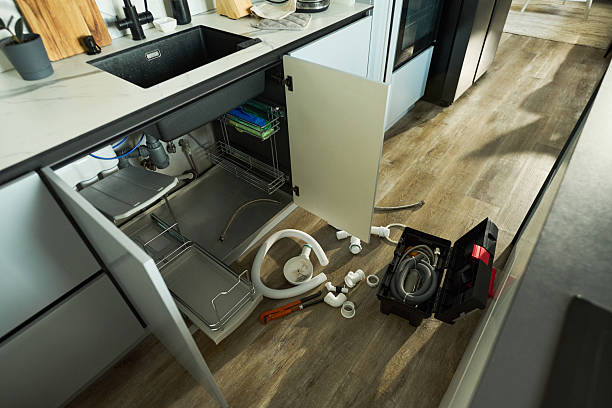
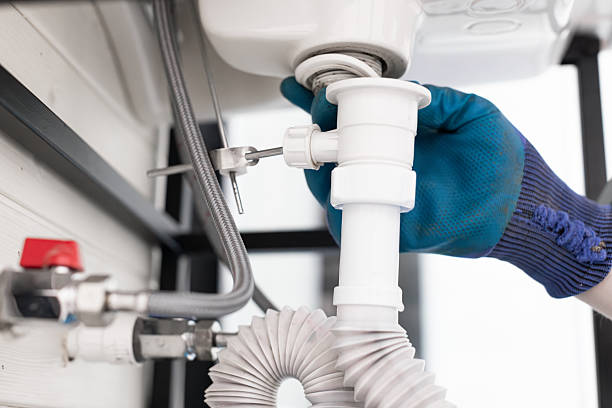
The difference between a $300 pipe repair and a $3,000 drywall-and-remediation project is often just whether the leak was found before or after excessive wall opening. Our Leak Detection service in Potrero uses the same detection methods utilities and insurance adjusters rely on — to pinpoint the failure location before anything is cut.
📞 Call +1-855-718-1500 — Find Your Leak Today
No single detection method works for every leak scenario. Our technicians are trained on four distinct approaches and select the right tool — or combination of tools — based on the pipe type, building construction, and leak characteristics.
Acoustic detection is most effective on metal pipe (copper, cast iron) under slab or in concrete — materials that conduct sound efficiently. It works in quiet environments and requires shutting off the house briefly to establish a clean acoustic baseline.
Active water leaks — hot or cold — create a temperature differential on the surfaces they contact. An infrared camera shows these differentials as color-coded heat maps, revealing the wet zone inside a wall or under a floor without any cutting. A cold water leak behind drywall appears as a spreading blue-gray cool zone; a hot water leak shows the inverse.
Pressure decay testing is the standard by which we confirm a leak is present before committing detection equipment time. It also tells us approximately how significant the leak is — a rapid pressure drop vs. a slow one indicates the size of the escape point.
Tracer gas detection is the method of last resort for the most challenging cases — it adds cost and setup time. We use it when acoustic and thermal methods haven't produced a definitive location and the evidence clearly supports an active leak.
Our detection service covers the full property, not just the obvious locations.
Supply lines run under or through the concrete slab in most slab-on-grade homes. When these lines fail — from corrosion, shifting, or manufacturing defects — the leak is invisible from the surface but audible to acoustic equipment. We walk the floor on a grid pattern, map the loudest detection points, and triangulate to a specific floor location, typically within a square foot.
Wall and ceiling leaks are often traced by following a visible stain to its apparent high point — but the visible damage can be several feet from the actual pipe failure due to how water travels down framing members. Thermal imaging reveals the wet zone accurately, and acoustic equipment confirms the pipe location within the wall cavity.
We mark the ground above the detected leak location so the repair crew opens only the section they need to.
Pool plumbing — suction and return lines buried between the equipment pad and the pool shell — can develop leaks at fittings or in the pipe body that appear as unexplained water loss. We pressure-test the pool plumbing circuit, isolate the return and suction lines separately, and use acoustic detection to find which line and where.
Commercial water loss from undetected leaks often shows up as elevated utility bills for months before physical evidence appears. We can assess a commercial building's plumbing system for suspected leaks at the property owner's or property manager's request.
Insurance claims for water damage from hidden leaks typically require documentation that the leak was not visible or detectable without specialized equipment. Our detection report includes: pressure test results confirming active water loss, detection method used, thermal imagery or acoustic mapping showing leak location, and technician certification information.
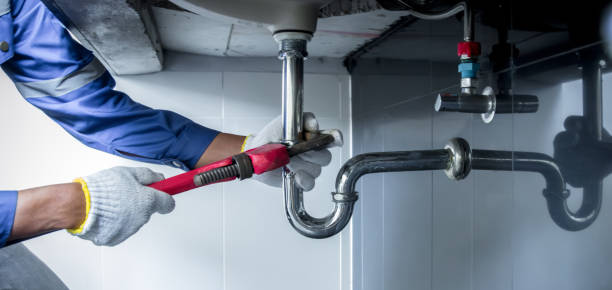
Here's exactly how a Masters Plumbing Service leak detection call plays out.
We start at the meter. All fixtures off, we watch the meter for 10 minutes. Movement confirms active water loss from the supply side. We also check for any visible evidence — water stains, soft floors, moisture readings with a moisture meter at suspect wall surfaces.
Zone isolation is the step that turns "there's a leak somewhere in the house" into "the leak is on the hot side supply, between the water heater and the master bath."
We document findings with thermal images and note detection readings at multiple grid points to triangulate the strongest signal.
Insurance claims: the report is formatted to support a claim for water damage from a concealed leak. We can provide supplemental documentation on request.

My water bill doubled over three months with no change in usage. Masters Plumbing Service came out, confirmed the meter was moving with everything off, isolated the cold supply to the kitchen as the failing branch, and used the acoustic device on the slab to pinpoint a location 4 feet from the outside wall under the kitchen floor. The repair crew opened a 10-inch circle in the tile, found a pinhole in a copper elbow exactly where detection said it would be. I was skeptical acoustic detection was that precise — it was.
Our insurance company required professional leak detection documentation before approving the claim. Masters Plumbing Service's written report with pressure test data and thermal imagery was exactly what the adjuster needed. Claim approved. The detection cost was covered as part of the claim.
Commercial building where water costs were running 40% above baseline for six months. Masters Plumbing Service ran a systematic zone-by-zone pressure isolation across four floors, narrowed the loss to the third-floor kitchen supply branch, and located the failure with thermal imaging at a concealed valve body in the ceiling. No damage to the finished ceiling.

Our detection technicians are equipped with acoustic, thermal, and tracer gas tools for the full range of leak scenarios found in Potrero, CA homes and commercial properties.

Masters Plumbing Service's detection team finds hidden leaks in Potrero homes and commercial properties using equipment that eliminates guesswork. The detection appointment pays for itself the moment it prevents one unnecessary wall opening.
📞 Call +1-855-718-1500 Now